
If you grew up in a Gujarati household like I did, chances are you remember chaas not as a drink—but as a presence. It was always there. In tall steel tumblers, beads of condensation running down the sides. The clink of spoon against metal jug as it was stirred one last time before pouring. That first sip—cool, tangy, quietly perfect. Chaas, or Indian buttermilk, is yogurt whisked with water, salt, and spices—most often simply flavored with salt and a sprinkling of freshly roasted and crushed cumin seeds, sometimes dressed up with a sizzling vaghar (tempering) of cumin seeds, sliced hot chilis and curry leaves. It’s a drink, yes. But more than that, it’s a way to cool the body, settle the stomach, and bring the meal to a gentle close.
At home, we had two regular styles of chaas:
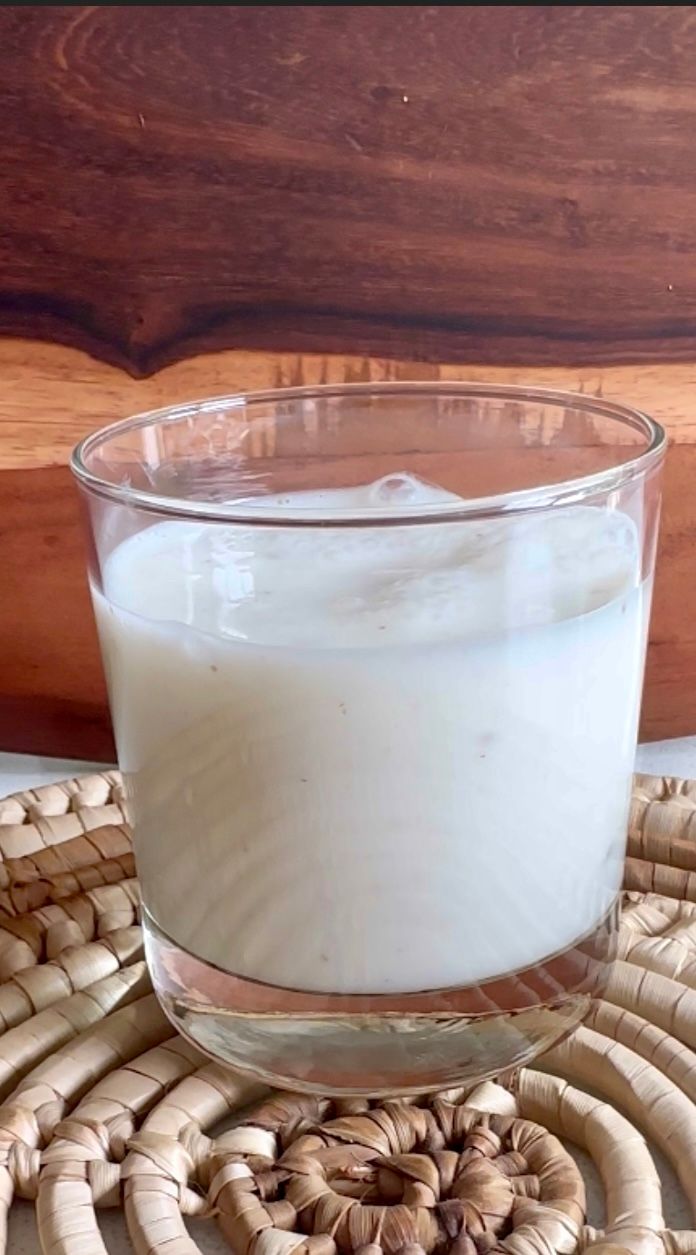
Salted Jeera Chaas – Yogurt is whisked with salt and water, then topped with roughly pounded roasted jeera (cumin) seeds. Simple, cooling, and perfect for everyday meals.
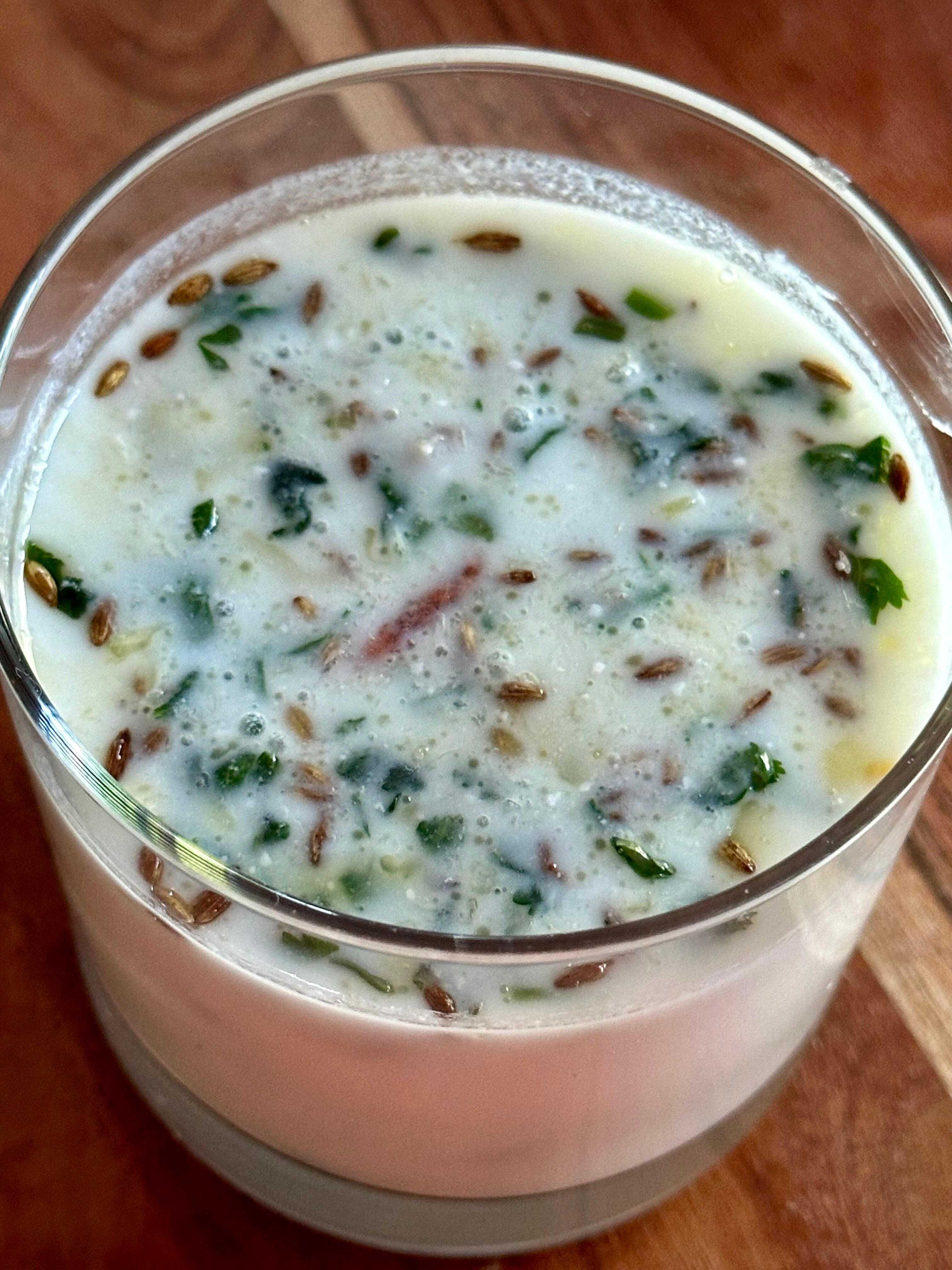
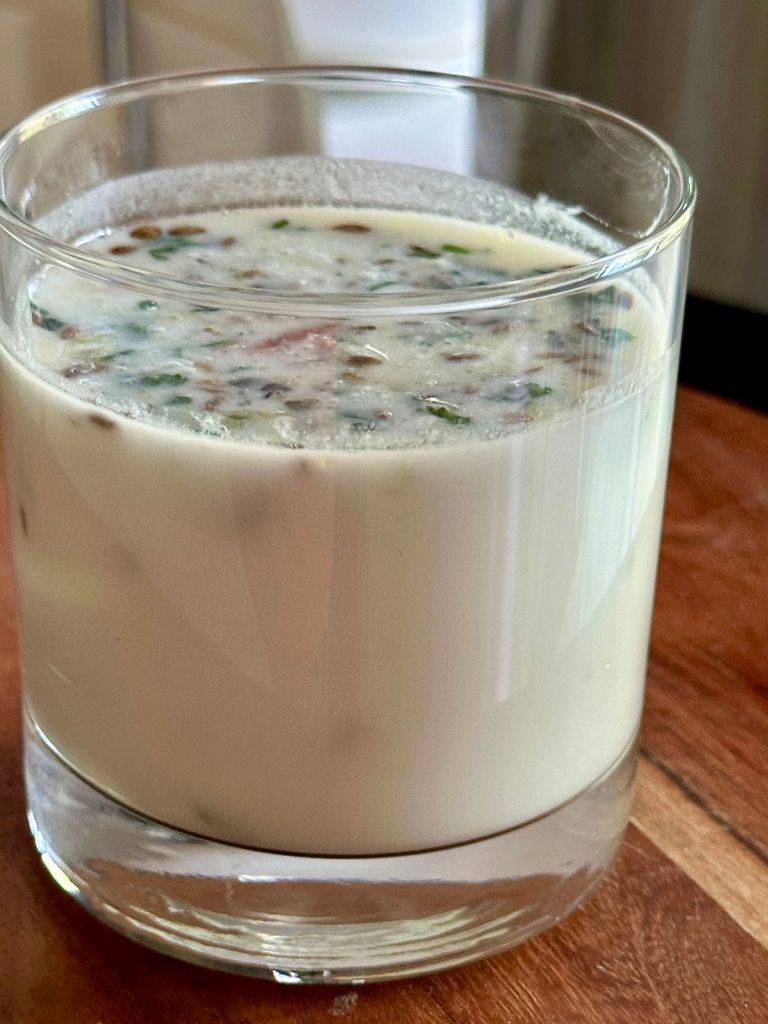
Vaghareli Chaas – If plain chaas is the gentle lullaby of Gujarati meals, then Kathiyawadi or vaghareli Chaas is the drumbeat. Hailing from spice-loving Saurashtra, this fiery version of chaas packs serious flavor. The tadka includes cumin seeds, hing (asafoetida), curry leaves (limbri), and chopped green chilies—and sometimes grated ginger. The sizzling tadka is poured over the buttermilk just before serving, adding a burst of flavor with every sip. It’s rustic, bold, and best served room temperature or cold in a tall metal glass. Pair it with bajra rotla and ringna no olo for the full Kathiyawadi experience.
We had chaas with everything. It pairs perfectly with any meal. I have too many combinations to choose from, but my go-to meal on a hot afternoon now is a huge bowl of spicy sambharo filled to the brim with salty chaas, or a bowl of steaming toovar dal khichdi, some kobich batata nu shaak and a papdi, or as a little kid, I sat on the wooden swing on a sweltering hot day in my petticoats, chewing on buttered rotlas with lasanyu marchu—or theplas fresh off the tawa that Grannie was making for the evening meal, sipping on a glass full of chaas—the swing creaking in time with the slow afternoon.
It is not flashy, it’s quite boring to look at really, not even photogenic. Not nearly as popular and trendy like its cousin the mango lassi, but it has soul. Always perfectly chilled, its cooling, calming taste, chaas (or lassi) is a nutritional powerhouse. Especially when made with fresh homemade or Greek yogurt, it is packed with protein, calcium, and electrolytes—potassium, magnesium, and sodium from the salted chaas, and probiotics from the live cultures in the yogurt.
As kids, we didn’t think twice about it. Chaas was just something Mum or Grannies made and served with meals. But now as an adult, I see it for what a truly, deeply rooted and beautiful ritual it was—a time-tested, Ayurvedic-inspired, probiotic-rich gem passed down through generations, a humble, frothy heritage in a glass. It’s a part of who we are.
But did you know chaas isn’t just “ours”? Cultures across the world have their own versions of this probiotic powerhouse. There’s:
• Laban in the Middle East and North Africa,
• Doogh in Iran and Afghanistan (often with a fizz and dried mint),
• Ayran/Ariani in Greece and Turkey (served cold and salted),
• and of course, Lassi in the Indian subcontinent, both savory and sweet—think Mango!
Whether you’re calling it chaas, laban, doogh, lassi, or ariani, this simple blend of yogurt and water connects us across cultures and kitchens from Gujarat to Greece, Jamnagar to Jeddah, from Surat to Shiraz.
Salted Jeera Chaas
A classic Gujarati buttermilk, cooling and refreshing.
Ingredients:
- 1 cup plain yogurt (preferably homemade or Greek)
- 2½ cups water, cold
- ½ teaspoon salt (adjust to taste)
- ½ teaspoon roasted cumin seeds (jeera), roughly crushed
Instructions:
- In a large bowl or jug, whisk the yogurt until smooth.
- Add the cold water and salt. Whisk again until frothy.
- Sprinkle the crushed roasted cumin seeds on top.
- Serve chilled in tall glasses.
Vaghareli Chaas
A spiced, tempered buttermilk which pairs perfectly with khichdi or vaghareli khichdi.
Ingredients:
- 1 cup plain yogurt (preferably homemade or Greek)
- 2½ cups water, cold
- ½ teaspoon salt ( adjust to taste)
- 1 tsp ghee (or oil for vegans)
- ½ teaspoon whole cumin seeds
- 1–2 green chilies, finely chopped into rings
- A few fresh curry leaves (limbri)
Instructions:
- Whisk yogurt until smooth, then add cold water and salt. Mix well.
- In a small pan, heat oil or ghee. Add cumin seeds, when they bloom add the green chilies, and curry leaves. Let them sizzle for a few seconds.
- Pour this tempering (vaghar) over the chaas.
- Stir gently and serve chilled.
Watch these short clips to see how they are made:
NOTES:
A Note on the Name: Chaas or Chaash?
In Gujarati, the correct word for Indian buttermilk is chaas — written as છાસ in the Gujarati script and pronounced like “ch-aahs” (rhyming with class, but without the “l”).
Sometimes you’ll hear it said as “chaash”, especially in casual conversation, but that’s more of a regional or phonetic variation. The traditional term, used in written Gujarati and everyday homes across Gujarat, is chaas.
Leftovers never go to waste:
In our house, leftover chaas was gold. Poured into varageli rotli or vagarelo bhaat, kneaded into dough for soft rotlis, methi paratha, thepla or bhakri, or even added to kadhi. Nothing was wasted. Everything had a place. It’s part of that quiet Gujarati efficiency—making something delicious out of what was already there.
Vegan Lassi Option:
For those following a dairy-free or plant-based lifestyle, vegan lassi is a refreshing alternative to traditional chaas or lassi. Made with coconut, almond, or soy-based yogurt whisked with chilled water, salt, and spices—or blended with fruits like mango for a sweet version—it is just as cooling, nourishing, and gut-friendly. A beautiful reminder that traditions can evolve to fit all kinds of plates and palates.
Did you make this recipe?
Share a photo and tag me — I can’t wait to see what you’ve made!

 Nadia's Meza recipes
Leave a comment